935 Bush Street Santa Rosa, CA 95404
License #998700
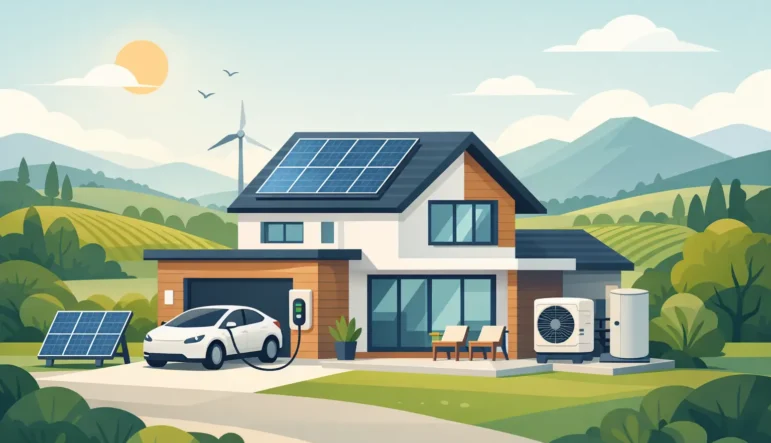
A new electric vehicle in the driveway, a heat-pump water heater in the garage, and an induction range in the kitchen can make a home more efficient and less dependent on gas. But home electrification trends also bring a practical question to the surface: can your home’s electrical system safely support the changes you want to make?
For many Santa Rosa and Sonoma County homeowners, the answer is not a simple yes or no. It depends on the age of the home, the size and condition of the electrical panel, existing appliance loads, and the order in which upgrades happen. A thoughtful electrical plan can prevent nuisance breaker trips, avoid costly rework, and give your home capacity for the years ahead.
Electrification means replacing equipment that burns fuel directly with equipment powered by electricity. Some homeowners start with an EV charger because they have purchased an electric vehicle. Others are remodeling a kitchen, replacing an aging water heater, adding air conditioning, or looking for more efficient ways to heat and cool their home.
The appeal is easy to understand. Modern electric equipment can be efficient, convenient, and easier to control. An EV charger lets you start each day with a full battery at home. Induction cooking provides fast, responsive heat without an open flame. Heat-pump systems can reduce energy use compared with older equipment in the right application.
Still, these upgrades are not interchangeable, and not every home needs to electrify everything at once. A homeowner with a newer 200-amp panel may be well positioned for an EV charger and future appliance upgrades. A home with a crowded, aging panel or an undersized service may need foundational electrical work first. The best path is based on a real assessment, not a one-size-fits-all recommendation.
The electrical panel used to be something many homeowners only noticed when a breaker tripped. As homes add more electric loads, it has become central to renovation and energy planning.
A panel has two related limitations: available breaker space and available electrical capacity. A panel may have open spaces for new breakers but still require a load calculation before adding a significant new appliance. Conversely, a panel with adequate service capacity may be physically full and need a subpanel, panel replacement, or a different layout to accommodate new circuits.
This distinction matters because large appliances often require dedicated circuits. EV chargers, electric ranges, dryers, heat-pump water heaters, hot tubs, and HVAC equipment can all affect how a home’s electrical load is calculated. A licensed electrician can evaluate the service, panel condition, grounding and bonding, circuit layout, and the expected load from planned equipment.
In some cases, a panel upgrade is the sensible long-term choice. In others, it may be unnecessary. Honest recommendations should reflect what your home actually needs now, while accounting for upgrades you are likely to make later.
Many local homes have electrical systems installed for a different era of household demand. They may have limited panel space, older wiring methods, insufficient outlet coverage, or equipment that has been altered over decades of additions and remodels.
That does not automatically mean the entire system is unsafe or that every component must be replaced. It does mean that electrical work should begin with careful diagnostics. Signs worth addressing include frequent tripped breakers, warm outlets or panel components, flickering lights, corrosion, damaged wiring, or a panel with no practical room for additional circuits.
A professional evaluation is particularly valuable before a major remodel or appliance purchase. It is generally less expensive and less disruptive to plan electrical capacity before walls are closed or equipment has already been delivered.
Among current home electrification trends, EV charging is often the project that turns electrical capacity into an immediate concern. Most homeowners who drive regularly benefit from a Level 2 charger, which uses a dedicated 240-volt circuit and charges much faster than a standard wall outlet.
The right charger and circuit size depend on the vehicle, charging goals, panel capacity, garage or driveway layout, and manufacturer requirements. Higher charging output is not always better if a lower output meets your overnight charging needs and avoids unnecessary electrical upgrades. The installation should also consider cable routing, weather exposure, mounting location, and permit requirements.
A properly installed home charger is more than a convenience feature. It is a safety improvement over relying on extension cords or improvised charging arrangements. It can also add value for future buyers as EV ownership becomes more common throughout Sonoma County.
Kitchen remodeling is another common entry point for electrification. Induction ranges and cooktops are attracting homeowners who want precise temperature control, easier cleanup, and a cooler cooking surface. However, switching from gas to electric may require a new 240-volt circuit, changes to the kitchen layout, and coordination with a remodeling contractor.
Water heating is also changing. Heat-pump water heaters can be efficient, but they have installation considerations that differ from a conventional electric tank. They need suitable space and airflow, can produce some operating sound, and may require electrical upgrades depending on the existing circuit. In a garage, utility room, or other appropriate location, they can be a strong option. In a small enclosed interior space, the trade-offs deserve more attention.
The electrical work should match the equipment specifications, local code requirements, and the actual conditions at the home. Choosing an appliance first and checking electrical needs later can create delays, added expense, or compromises in placement.
Not every electrification project is a major appliance conversion. Small improvements can make a home safer and more functional while preparing it for changing needs.
Additional garage outlets can support charging equipment and tools. Updated kitchen circuits can improve safety during a remodel. Recessed lighting can replace outdated fixtures while improving light quality. New exterior outlets may support yard equipment, lighting, or future projects. Dedicated circuits for a hot tub or workshop equipment help prevent overloads and keep high-demand equipment operating as intended.
These improvements are most effective when they are coordinated. If you are opening walls for lighting, remodeling a bathroom, or upgrading a panel, it may be the right time to address undersupplied outlets, aging switches, or circuits that do not match how your family uses the home.
Load management equipment is receiving more attention as homes add EV chargers and electric appliances. These systems can monitor demand and temporarily reduce or pause one load when the home approaches a capacity limit. For certain homes, this can help avoid a larger service upgrade while still allowing a new electrical load to be installed.
It is a useful option, not a universal solution. The equipment must be compatible with the planned load, installed correctly, and selected as part of a proper electrical design. Homeowners should understand what may be controlled, when it may pause, and whether the arrangement will still meet daily needs.
A conventional panel or service upgrade can offer greater flexibility for a home with several future projects. Load management may make more sense for a homeowner with a specific near-term need and limited expected growth. The right decision comes from comparing cost, convenience, capacity, and future plans.
A practical home electrification plan usually starts with your electrical infrastructure, then moves to the equipment you want to add. Before purchasing an EV charger, electric range, heat-pump water heater, or hot tub, have a licensed electrician assess the system and explain the options in plain language.
Gather the model numbers or electrical specifications for planned appliances when possible. Think beyond the current project: Are you considering an EV within a few years? Will a remodel add kitchen appliances? Is solar, battery storage, air conditioning, or a detached workspace part of the long-term plan? Those answers can influence whether a targeted circuit addition, subpanel, load-management system, or full panel upgrade makes the most financial sense.
Permits and inspections should be part of the conversation, not an afterthought. They help ensure work is performed to current safety standards and documented appropriately. Quality materials, proper terminations, correctly sized conductors, and clean workmanship are details that protect the investment long after installation day.
APG Electric helps homeowners throughout Santa Rosa and Sonoma County make these decisions with clear diagnostics and practical recommendations. The goal is not to sell the biggest upgrade. It is to build an electrical system that safely supports the home you have and the changes you are ready to make.
If electrification is on your horizon, start with an honest look inside the panel rather than a guess at the checkout counter. A well-planned first step can keep your options open, your project on schedule, and your home ready for what comes next.
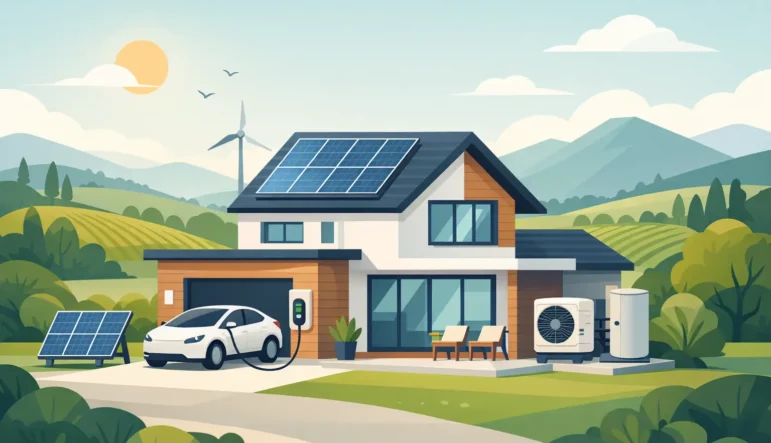
A new electric vehicle in the driveway, a heat-pump water heater in the garage, and an induction range in the kitchen can make a home more efficient and less dependent on gas. But home electrification trends also bring a practical question to the surface: can your home’s electrical system safely support the changes you want to make?
For many Santa Rosa and Sonoma County homeowners, the answer is not a simple yes or no. It depends on the age of the home, the size and condition of the electrical panel, existing appliance loads, and the order in which upgrades happen. A thoughtful electrical plan can prevent nuisance breaker trips, avoid costly rework, and give your home capacity for the years ahead.
Electrification means replacing equipment that burns fuel directly with equipment powered by electricity. Some homeowners start with an EV charger because they have purchased an electric vehicle. Others are remodeling a kitchen, replacing an aging water heater, adding air conditioning, or looking for more efficient ways to heat and cool their home.
The appeal is easy to understand. Modern electric equipment can be efficient, convenient, and easier to control. An EV charger lets you start each day with a full battery at home. Induction cooking provides fast, responsive heat without an open flame. Heat-pump systems can reduce energy use compared with older equipment in the right application.
Still, these upgrades are not interchangeable, and not every home needs to electrify everything at once. A homeowner with a newer 200-amp panel may be well positioned for an EV charger and future appliance upgrades. A home with a crowded, aging panel or an undersized service may need foundational electrical work first. The best path is based on a real assessment, not a one-size-fits-all recommendation.
The electrical panel used to be something many homeowners only noticed when a breaker tripped. As homes add more electric loads, it has become central to renovation and energy planning.
A panel has two related limitations: available breaker space and available electrical capacity. A panel may have open spaces for new breakers but still require a load calculation before adding a significant new appliance. Conversely, a panel with adequate service capacity may be physically full and need a subpanel, panel replacement, or a different layout to accommodate new circuits.
This distinction matters because large appliances often require dedicated circuits. EV chargers, electric ranges, dryers, heat-pump water heaters, hot tubs, and HVAC equipment can all affect how a home’s electrical load is calculated. A licensed electrician can evaluate the service, panel condition, grounding and bonding, circuit layout, and the expected load from planned equipment.
In some cases, a panel upgrade is the sensible long-term choice. In others, it may be unnecessary. Honest recommendations should reflect what your home actually needs now, while accounting for upgrades you are likely to make later.
Many local homes have electrical systems installed for a different era of household demand. They may have limited panel space, older wiring methods, insufficient outlet coverage, or equipment that has been altered over decades of additions and remodels.
That does not automatically mean the entire system is unsafe or that every component must be replaced. It does mean that electrical work should begin with careful diagnostics. Signs worth addressing include frequent tripped breakers, warm outlets or panel components, flickering lights, corrosion, damaged wiring, or a panel with no practical room for additional circuits.
A professional evaluation is particularly valuable before a major remodel or appliance purchase. It is generally less expensive and less disruptive to plan electrical capacity before walls are closed or equipment has already been delivered.
Among current home electrification trends, EV charging is often the project that turns electrical capacity into an immediate concern. Most homeowners who drive regularly benefit from a Level 2 charger, which uses a dedicated 240-volt circuit and charges much faster than a standard wall outlet.
The right charger and circuit size depend on the vehicle, charging goals, panel capacity, garage or driveway layout, and manufacturer requirements. Higher charging output is not always better if a lower output meets your overnight charging needs and avoids unnecessary electrical upgrades. The installation should also consider cable routing, weather exposure, mounting location, and permit requirements.
A properly installed home charger is more than a convenience feature. It is a safety improvement over relying on extension cords or improvised charging arrangements. It can also add value for future buyers as EV ownership becomes more common throughout Sonoma County.
Kitchen remodeling is another common entry point for electrification. Induction ranges and cooktops are attracting homeowners who want precise temperature control, easier cleanup, and a cooler cooking surface. However, switching from gas to electric may require a new 240-volt circuit, changes to the kitchen layout, and coordination with a remodeling contractor.
Water heating is also changing. Heat-pump water heaters can be efficient, but they have installation considerations that differ from a conventional electric tank. They need suitable space and airflow, can produce some operating sound, and may require electrical upgrades depending on the existing circuit. In a garage, utility room, or other appropriate location, they can be a strong option. In a small enclosed interior space, the trade-offs deserve more attention.
The electrical work should match the equipment specifications, local code requirements, and the actual conditions at the home. Choosing an appliance first and checking electrical needs later can create delays, added expense, or compromises in placement.
Not every electrification project is a major appliance conversion. Small improvements can make a home safer and more functional while preparing it for changing needs.
Additional garage outlets can support charging equipment and tools. Updated kitchen circuits can improve safety during a remodel. Recessed lighting can replace outdated fixtures while improving light quality. New exterior outlets may support yard equipment, lighting, or future projects. Dedicated circuits for a hot tub or workshop equipment help prevent overloads and keep high-demand equipment operating as intended.
These improvements are most effective when they are coordinated. If you are opening walls for lighting, remodeling a bathroom, or upgrading a panel, it may be the right time to address undersupplied outlets, aging switches, or circuits that do not match how your family uses the home.
Load management equipment is receiving more attention as homes add EV chargers and electric appliances. These systems can monitor demand and temporarily reduce or pause one load when the home approaches a capacity limit. For certain homes, this can help avoid a larger service upgrade while still allowing a new electrical load to be installed.
It is a useful option, not a universal solution. The equipment must be compatible with the planned load, installed correctly, and selected as part of a proper electrical design. Homeowners should understand what may be controlled, when it may pause, and whether the arrangement will still meet daily needs.
A conventional panel or service upgrade can offer greater flexibility for a home with several future projects. Load management may make more sense for a homeowner with a specific near-term need and limited expected growth. The right decision comes from comparing cost, convenience, capacity, and future plans.
A practical home electrification plan usually starts with your electrical infrastructure, then moves to the equipment you want to add. Before purchasing an EV charger, electric range, heat-pump water heater, or hot tub, have a licensed electrician assess the system and explain the options in plain language.
Gather the model numbers or electrical specifications for planned appliances when possible. Think beyond the current project: Are you considering an EV within a few years? Will a remodel add kitchen appliances? Is solar, battery storage, air conditioning, or a detached workspace part of the long-term plan? Those answers can influence whether a targeted circuit addition, subpanel, load-management system, or full panel upgrade makes the most financial sense.
Permits and inspections should be part of the conversation, not an afterthought. They help ensure work is performed to current safety standards and documented appropriately. Quality materials, proper terminations, correctly sized conductors, and clean workmanship are details that protect the investment long after installation day.
APG Electric helps homeowners throughout Santa Rosa and Sonoma County make these decisions with clear diagnostics and practical recommendations. The goal is not to sell the biggest upgrade. It is to build an electrical system that safely supports the home you have and the changes you are ready to make.
If electrification is on your horizon, start with an honest look inside the panel rather than a guess at the checkout counter. A well-planned first step can keep your options open, your project on schedule, and your home ready for what comes next.
