935 Bush Street Santa Rosa, CA 95404
License #998700
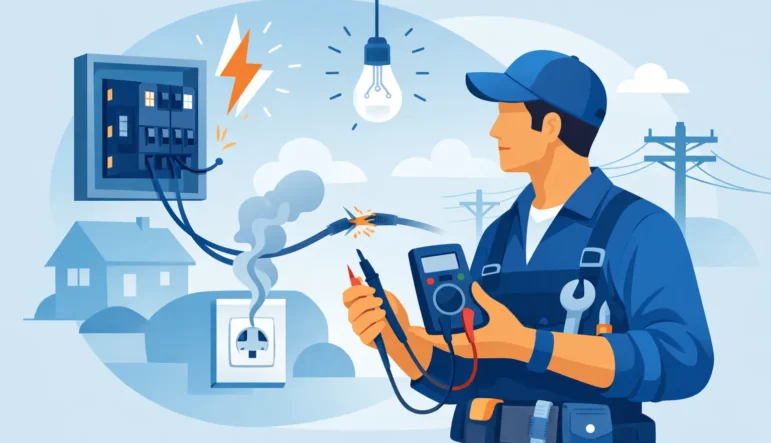
A light that flickers once may be a loose bulb. A light that flickers whenever the microwave starts, the outlet that feels warm, or the breaker that repeatedly trips is different. Those are the moments when electrical repairs move from a household annoyance to a safety decision. For homeowners in Santa Rosa and throughout Sonoma County, a prompt, accurate diagnosis can prevent damage to appliances, reduce fire risk, and restore confidence in the systems behind the walls.
Residential electrical problems are rarely improved by guesswork. The visible symptom may be simple, but the cause can range from a worn receptacle to an overloaded circuit, a damaged connection, or an aging electrical panel that no longer fits the home’s electrical demands. A licensed electrician can identify the actual issue, explain the options clearly, and make the repair with materials designed for lasting performance.
Some electrical issues can wait for a scheduled service visit. Others deserve same-day attention, especially when they involve heat, burning smells, sparking, or loss of power to essential parts of the home.
A breaker that trips occasionally after a clear overload, such as running several high-draw appliances on one circuit, may simply be doing its job. Resetting it once after unplugging the excess load can be reasonable. If it trips again, however, do not keep resetting it. Repeated trips can point to a short circuit, a ground fault, a failing appliance, or a circuit that is undersized for how the space is being used.
Warm outlets, switches, cords, or panel components should also be taken seriously. Electrical connections are meant to carry power without producing noticeable heat. A warm device can indicate resistance at a loose or damaged connection, and heat can worsen quickly under load.
Call a licensed electrician promptly if you notice any of these warning signs:
If there is smoke, active sparking, or an immediate fire concern, move away from the area, call emergency services, and do not attempt to investigate the source yourself.
The goal of a professional repair is not simply to make the symptom disappear. It is to find out why it happened and correct the condition safely. Replacing a tripping breaker, for example, may not solve anything if the real problem is a damaged wire or a circuit carrying more demand than it was designed to handle.
That distinction matters in older Sonoma County homes, where electrical systems may have been altered across several remodels. A kitchen addition, garage conversion, hot tub, air-conditioning equipment, or new EV charger can add significant demand to a system that was originally built for a different era. Sometimes the right answer is a targeted repair. Other times, the electrician may recommend a dedicated circuit, GFCI or AFCI protection where required, or a panel upgrade to support the home safely.
A trustworthy electrician should explain that difference without pushing unnecessary work. Homeowners deserve to know what failed, what must be repaired now, what may be worth planning for, and how each option affects safety and reliability. A cost-conscious recommendation is not always the cheapest immediate fix. It is the solution that addresses the source of the problem and avoids paying twice for the same issue.
Loose connections are one of the most common causes of flickering lights, intermittent outlets, and heat at switches or receptacles. Connections can loosen over time from normal use, aging components, or prior work that was not completed correctly.
Overloaded circuits are also common in homes where everyday needs have changed. A bedroom outlet circuit may have once powered lamps and a clock radio. Now it may support computers, monitors, portable heaters, window air conditioners, and charging equipment. The issue is not that modern devices are inherently unsafe. It is that the circuit needs to match the load.
Weather, moisture, and outdoor exposure can affect exterior outlets, landscape lighting, garage circuits, and equipment connections. GFCI protection is designed to reduce shock risk in areas where water is present, but a GFCI that trips often still needs professional evaluation. It may be responding to moisture, a failing device, or a fault farther down the circuit.
Finally, outdated panels and deteriorating wiring can limit a home’s safety and capacity. Not every older home needs a complete rewiring project. The best approach depends on the condition of the equipment, the repair findings, the home’s power needs, and any planned upgrades.
Electrical repair and electrical improvement often overlap. A homeowner may call because a garage outlet stopped working, then learn that the garage needs a dedicated circuit for a future EV charger. A failed bathroom fan switch may reveal that the space needs updated protection. A panel repair may expose limited capacity for a planned hot tub or kitchen remodel.
These situations call for practical planning, not automatic upselling. If a repair can be completed safely and reliably on its own, that may be the right choice. If an upgrade will prevent repeat problems or support an upcoming project, it is useful to understand the timing and cost before making a decision.
For example, installing an EV charger is not just a matter of mounting equipment. The charger must be sized appropriately, supplied by the correct circuit, and evaluated against the available panel capacity. Addressing panel limitations during installation can be more efficient than completing a smaller repair now and discovering the same limitation later.
A quality service visit starts with listening. Describe what you noticed, when it happens, which appliances are involved, and whether the problem is getting worse. Small details help narrow the diagnosis. A light that flickers only during high winds suggests a different path than one that flickers when a refrigerator compressor starts.
The electrician should inspect the affected devices and circuit, test where appropriate, and evaluate related components rather than replacing parts at random. Once the cause is identified, you should receive a clear explanation of the repair recommendation. If there are multiple reasonable paths, the differences in safety, durability, scope, and price should be straightforward.
Professional work also includes clean installation practices, proper component selection, and respect for your home. After repairs are complete, the affected equipment should be tested so you know what was corrected and what to watch for going forward.
You do not need to troubleshoot electrical equipment to be helpful. If a breaker has tripped, turn off or unplug devices on that circuit and avoid repeatedly resetting the breaker. If an outlet is hot, damaged, or sparking, stop using it and keep others away from it. Avoid using extension cords as a permanent solution for a circuit that cannot keep up with demand.
It is also useful to make a note of the affected rooms and devices. If only half an outlet works, if a problem began after a storm, or if a particular appliance triggers the issue, share that information during scheduling. It can help the electrician arrive prepared and focus the inspection efficiently.
Do not remove panel covers, open electrical boxes, or attempt repairs involving wiring. Even when a circuit appears off, electrical panels and wiring can present serious hazards. DIY work can also conceal a fault that becomes more expensive to correct later.
When electrical trouble interrupts your day, you need more than a quick reset or a vague answer. You need a licensed professional who can diagnose the problem, communicate honestly, and complete the work with care. APG Electric serves Santa Rosa and Sonoma County homeowners with responsive residential service, quality components, and recommendations based on what the home actually needs.
If something in your home’s electrical system does not feel right, trust that instinct. A timely service call can turn an uncertain warning sign into a clear, safe path forward.
